
Understanding Gluten
Gluten is a protein found in grains such as wheat, barley, and rye. For individuals with celiac or gluten sensitivity, avoiding gluten is essential to maintaining good health.
A strict gluten-free diet is the only effective treatment for celiacs, which makes food safety a critical factor. Products must be absolutely 100% gluten-free, as even very small amounts of gluten can trigger immune reactions that damage the intestinal lining and negatively affect the digestive system.
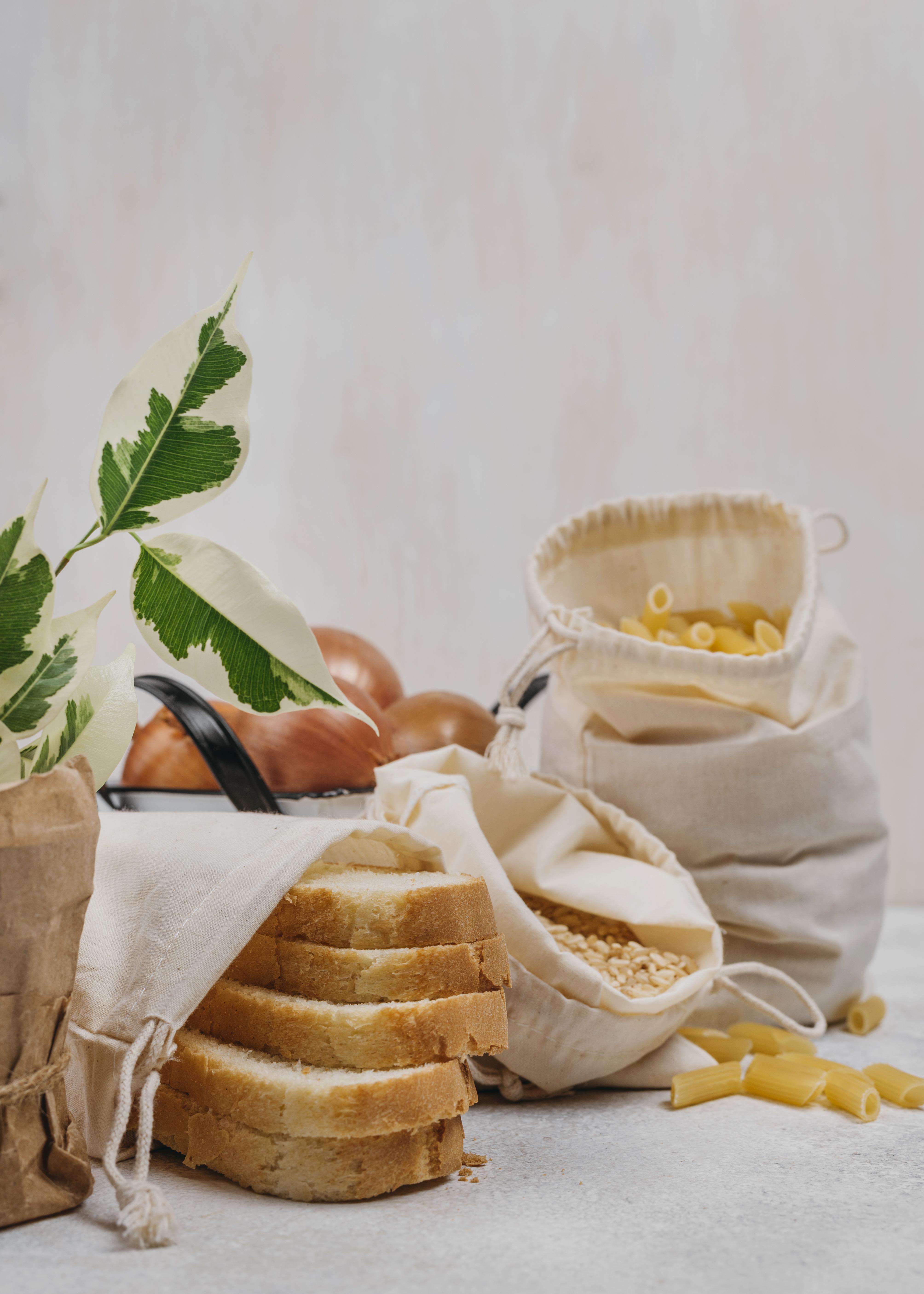
Although a gluten-free diet is restrictive, it still allows for many safe, nutritious, and enjoyable food choices. In addition to naturally gluten-free foods such as vegetables, fruits, meat, fish, eggs, dairy products, legumes, and nuts, there is now a wide range of gluten-free products available in supermarkets, including bread, pasta, and desserts, making it easier to follow this dietary regimen.
Important note
Oats, corn flour, rice flour, and chestnut flour are naturally gluten-free, but they are often contaminated during cultivation, processing, or packaging due to contact with gluten-containing grains. For this reason, these flours should be consumed only if they are clearly labeled and certified gluten-free. Especially in a country like Albania, it is strongly recommended to choose imported, certified gluten-free products to ensure maximum food safety.