
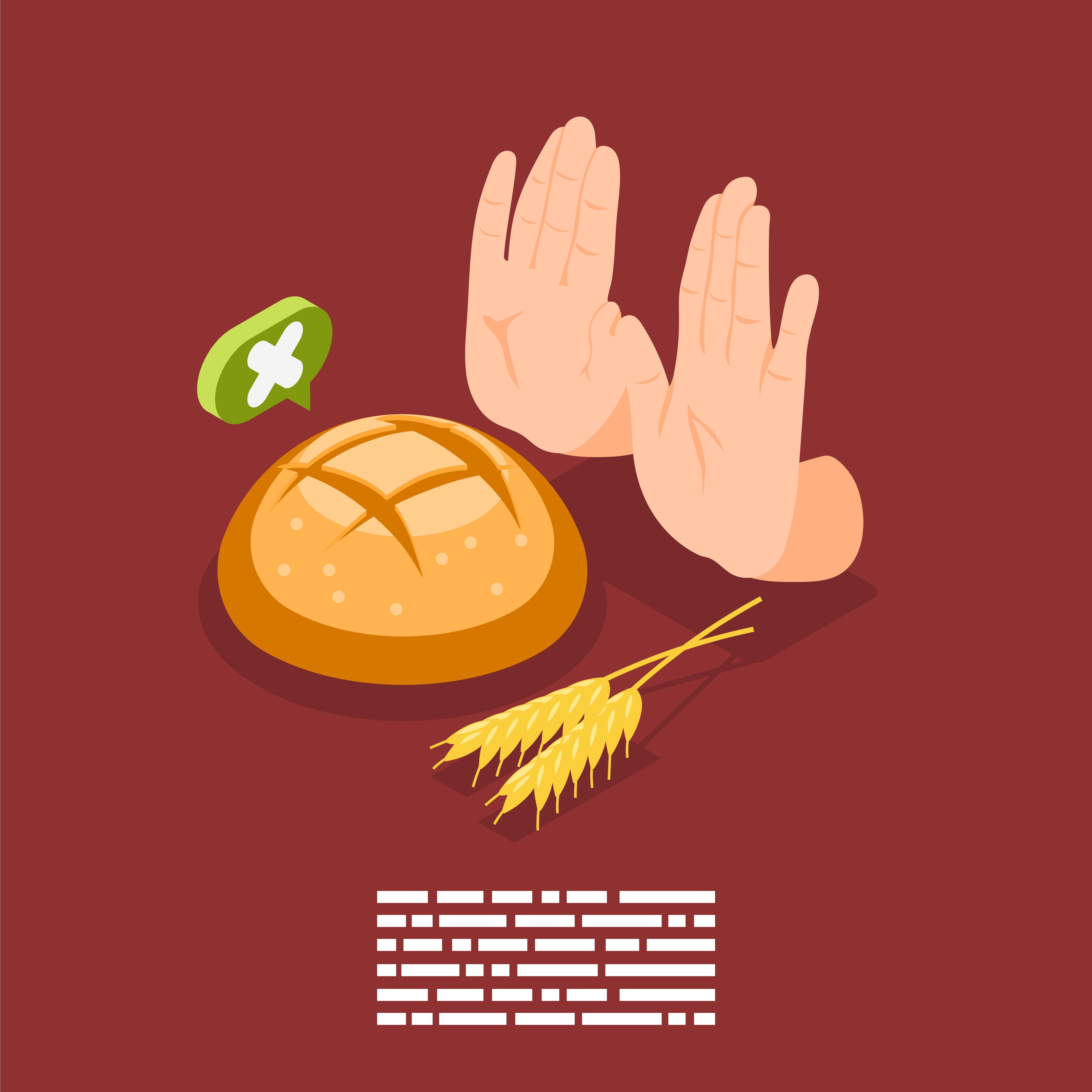
What To Choose
Learn About Gluten
Gluten is a protein found in wheat, barley, and rye. In people with celiac condition, consuming gluten damages the intestines even when symptoms are not immediately noticeable. For this reason, following a strict gluten‑free diet is essential for long‑term health.
Only certified and labeled “Gluten Free” products are considered safe
The European standard for gluten-free products is lower than 20 ppm gluten
Reading labels carefully is essential
Stay Away
Foods That Contain Gluten
These foods are not safe and should be avoided:
- Bread and wheat‑based baked goods
- Pasta and other wheat‑based products
- Pastries and traditional desserts
- Breakfast cereals containing wheat, barley, or rye
- Traditional beer
Check Twice
Foods That May Contain Gluten
These products are not considered safe unless labeled “Gluten‑Free”, as gluten may be present as an ingredient or due to processing:
- Sausages, cold cuts, and cured meats
- Potato chips and processed snacks
- Ready‑made soups and soup mixes
- Sauces, dressings, and soy sauce
- Canned and processed foods
- Flavored drinks and soft drinks with unclear ingredients
- Vinegars made from grains
- ✅ Apple cider vinegar is generally considered safe
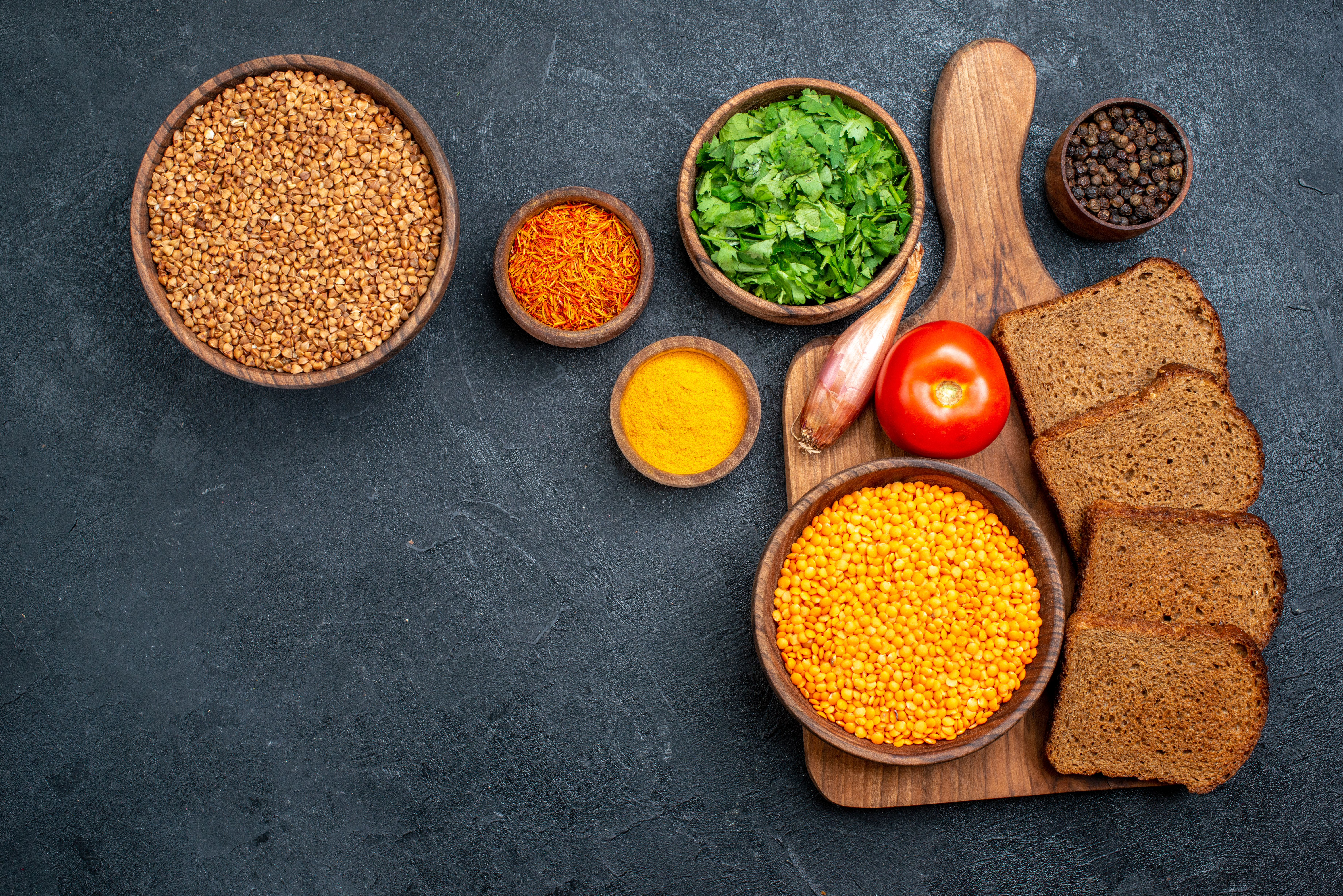
CHECK TWICE
Naturally Gluten‑Free Foods with Contamination Risk
These foods are naturally gluten‑free but must only be consumed if certified:
- Oats
- Corn flour
- Rice flour
- Chestnut flour
Not Only Food
Non‑Food Products That Require Attention
Some non‑food products may contain gluten and pose a risk:
- Medications and dietary supplements
- Lip balms, creams, and cosmetic products used around the mouth
Disclaimer
This content is for informational purposes only. For personalized advice, consult a doctor or dietitian